Art Therapy
Speak what words cannot reach.
A safe place to process trauma, grief, and anxiety through the creative process. NO ARTISTIC SKILLS NEEDED.
Explore Therapy →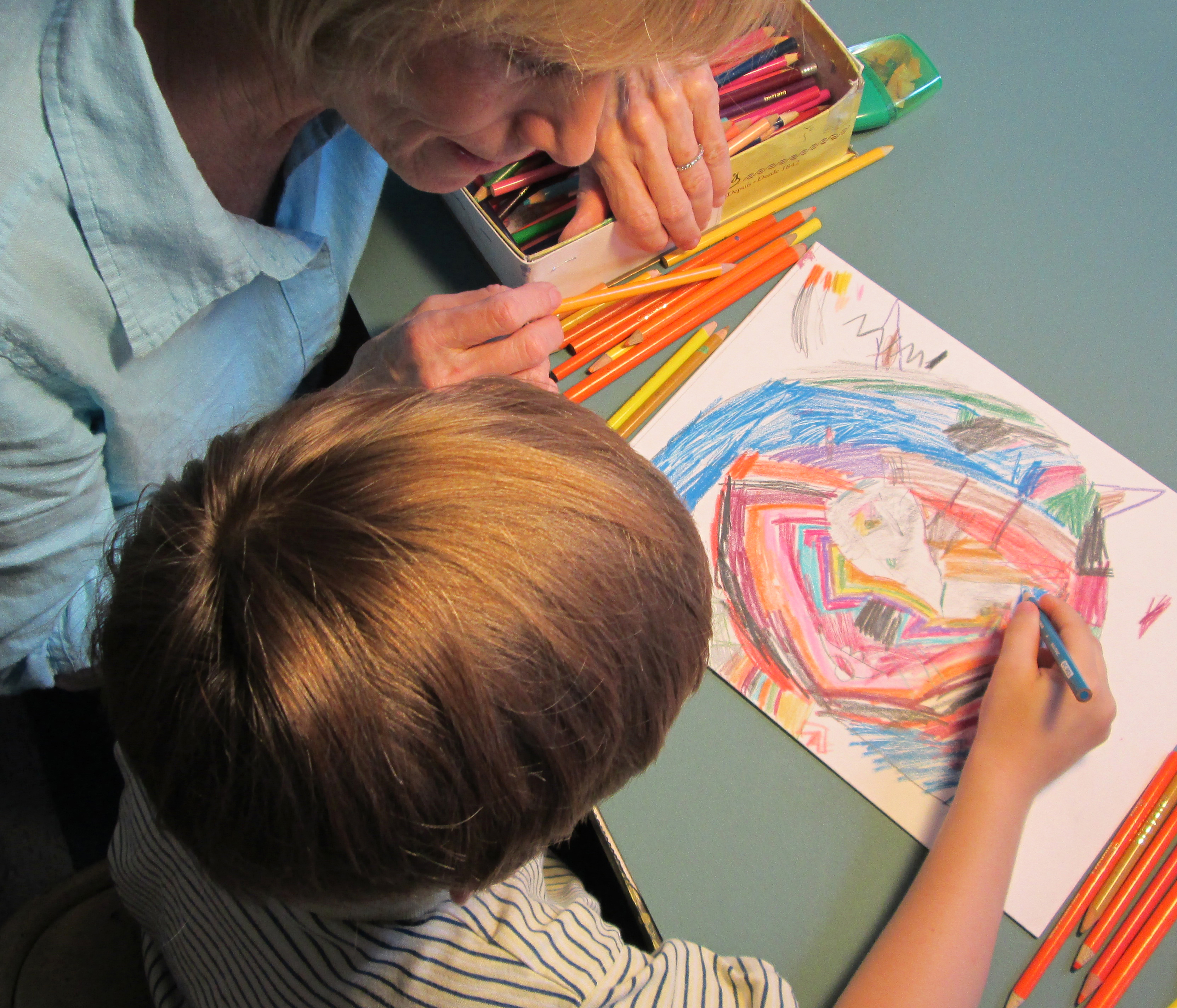
A safe place to process trauma, grief, and anxiety through the creative process. NO ARTISTIC SKILLS NEEDED.
Explore Therapy →
"I found I could say things with color and shapes that I couldn't say any other way, things I had no words for."— Georgia O'Keeffe
What is astonishing about art therapy is its power to function on both literal and metaphorical levels at once. Art lets the unconscious mind express itself in ways words alone cannot, slipping past old, powerful defenses to reach the feelings of doubt and shame that talking can't unwrap. It is, at the same time, a safe place to experience and process what hurts.
Talk therapy reshapes thinking through words. Art therapy gives the unconscious a voice of its own. Creating art with a trained therapist lets you "speak" clearly and forcefully outside the limits of language, making the painful real in a way that keeps you in control.
Unexpressed feelings slip past unconscious defenses. Art reaches what is too wrapped in words to say aloud.
Art exposes suppressed pain, fear, and guilt, yet remains a controlled space to face and process it.
The ability to draw is unnecessary. Anyone willing to engage in the process can benefit.
Children, adolescents, and adults; grief, trauma, depression, anxiety, and the work of growth itself.
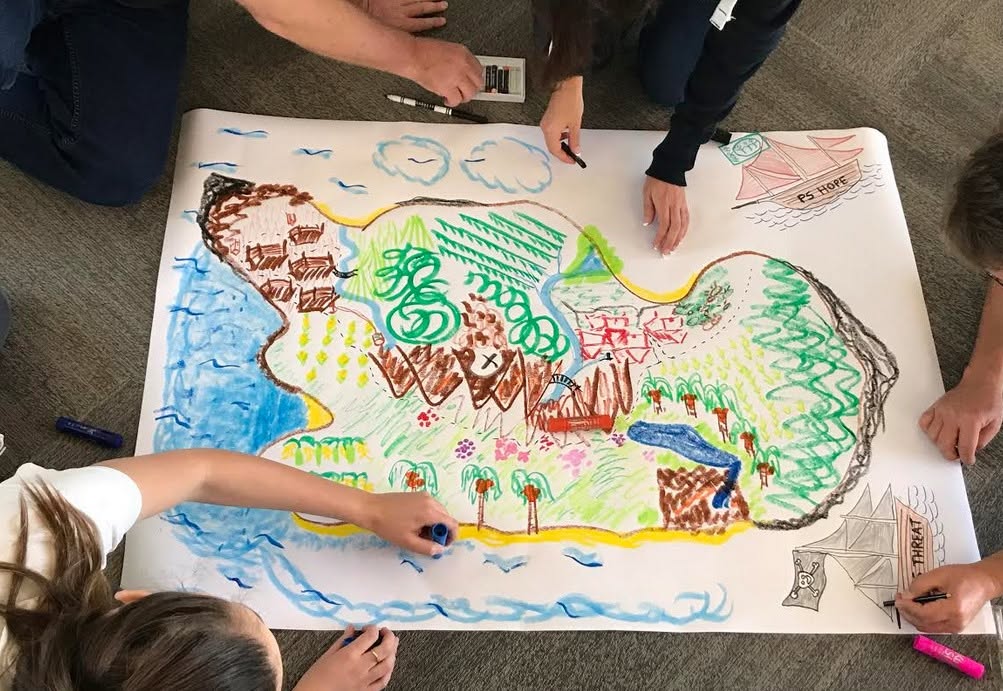
Talk therapy simply doesn't create the full-brain integration that working with our hands does. Therapeutic artmaking opens a direct channel to the unconscious, which Carl Jung believed to be the most important part of the human psyche, and one shared by all of us. Immanuel Kant called our hands our human "outer brain", thought made physical, reaching an understanding that words alone cannot.
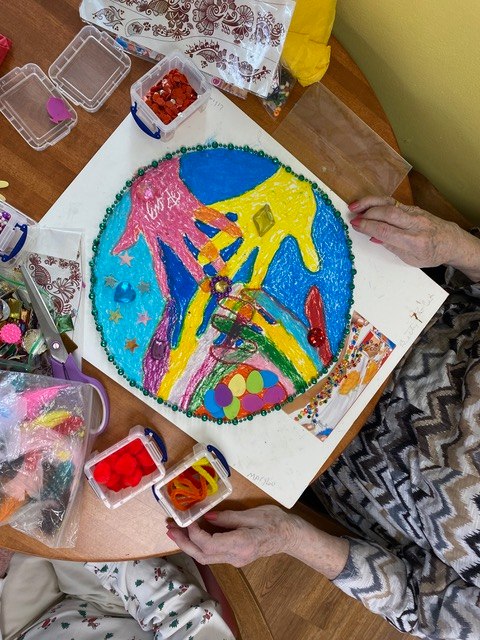
A work of art which isn't based on feeling isn't art at all.
I don't say everything, but I paint everything.
There is no must in art because art is free.
There is a real connection between art and the brain. Because creating can be deeply pleasurable, the body releases its own feel-good chemistry, and lowers the chemistry of stress.
Lifts and boosts your mood.
Calms the mind, helping ward off anxiety and depression.
The body's natural pain killers and stress relievers.
The bonding hormone that fosters feelings of trust, connection, and emotional safety.
Sharpens focus, keeping you engaged in the creative flow state.
At the same time, the body's primary stress hormone falls.
Creating art also increases neuroplasticity, building new neural pathways. Researchers once believed neurons stopped growing at a certain age; we now know this renewal can continue for as long as you live.
There is a way to deal directly with anger, guilt, depression, and loneliness. There are tools you can master to become more resourceful, more whole. Select a stage of life to see how.
A fun, non-threatening way to handle intense issues that are hard to say out loud. Drawing becomes a natural, metaphorical language for sadness, anger, grief, and loss.
The art process moves children forward, letting them leave painful events behind while staying in control. They feel empowered to fight their fear and find room to heal.
A safe way to express shame, fear, and loneliness, and to build the assertive coping skills that free a child from the role of victim.
Embarrassing, taboo, and scary subjects become far more accessible through art than through words alone. Children confront, understand, resolve, and heal.
Difficult social situations surface in a safe environment where children can rehearse the new skills that help them grow.
Adolescence can be turbulent and painful; the creative process is calming and healing.
Engaging, energizing, experiential. Art therapy challenges depressive thoughts directly, rebuilding self-worth and confidence. Imagery can reveal thoughts and plans that words conceal.
Substance use masks pain, loneliness, anger, and shame. Creating art offers a way to both release and articulate those emotions through metaphor and symbol.
Rebellious teens are drawn to the expressive power of making art. Seeing invisible emotional forces take clear shape gives a sense of owning and managing them.
Emotions become something that can be understood and managed rather than simply endured.
Even as adults it is hard, often impossible, to verbalize the fear, anger, shame, and pain that shape how we feel and act. Making art can be surprisingly, liberatingly direct.
Tangible expression of worry and grief brings relief through both comprehension and a new sense of manageability, closing old thought patterns.
Art lets family issues surface in surprising, illuminating ways. Once articulated, the therapist teaches the skills to heal and deepen relationships.
Healthy adults explore their personal qualities and connect to the unconscious, a regenerative force beyond the limits of rational thought.
Research shows creating art decreases pain and stress and aids those facing illness, dementia, and the questions that come with maturity.
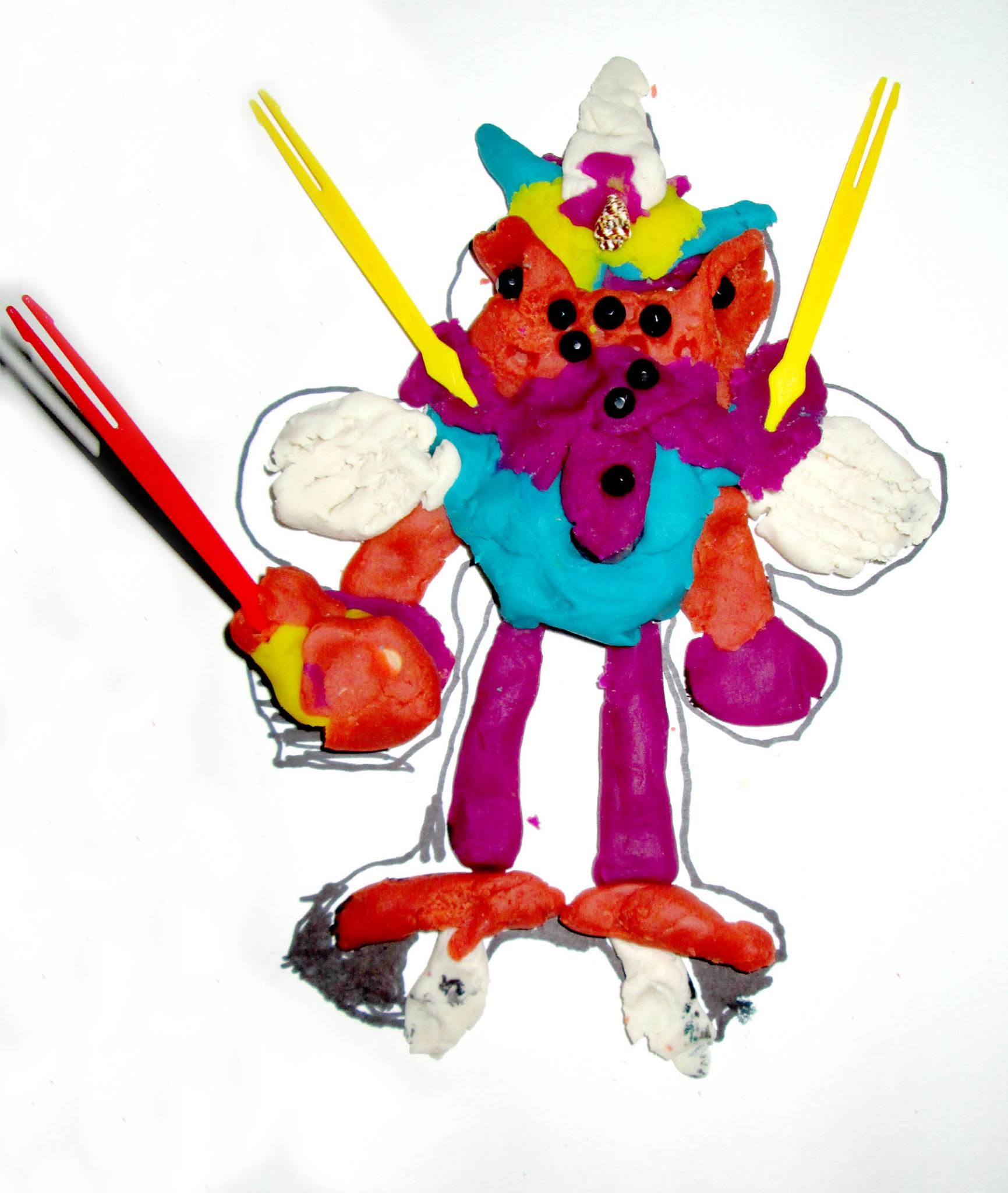
Here’s another example of why art therapy is so powerful! This child couldn’t talk about the monster he’s frightened of, but he sure could sculpt it! Great metaphor of the monster’s heart having a hole through it and being bruised (a bead flattened on one side). Then, the heart is covered in the body with clay so we can’t see it. Many more powerful metaphors came to light over the course of an almost completely relaxed conversation as the child continued to play.
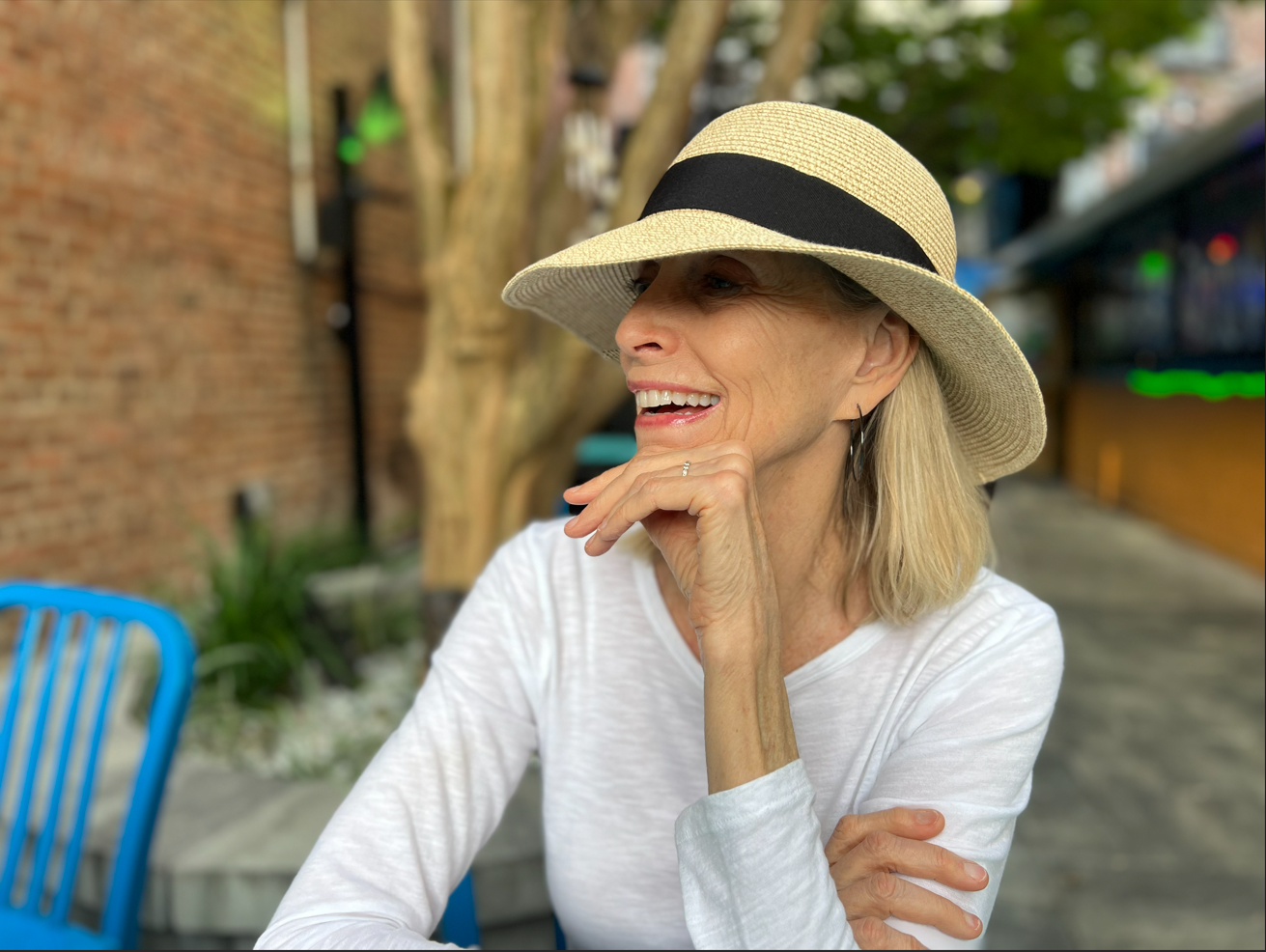
I am a board-certified registered art therapist, the highest credential the American Art Therapy Association awards, with over thirty years of experience.
I went to nursing school only because my parents made me. My dad started the nurse anesthetist program at MUSC, and they had my life planned: I would become a nurse anesthetist, marry a doctor, and live happily ever after. Six months after finishing nursing school and starting as an OR nurse at MUSC, I decided nursing was not for me, and at nineteen went back to school for what had been my passion all along.
I had been painting since I was twelve and felt alive and excited when I saw the world through the process of creating art! With a BA in Studio Art from the College of Charleston, I moved to Columbia, South Carolina and received my Master's in Art Education at USC.
After I went through a divorce, I found myself being intuitively drawn to art therapy. Intensely personal, I found it easier and more natural to draw what I experienced on an emotional level than to write or talk about it. About this time, while working a series of difficult, low-paying jobs, I contacted Fenwick Hall Hospital, a psychiatric substance-abuse facility. On an impulse I called and asked if they had anyone on staff teaching art. Miraculously, a position opened and I was hired. I was galvanized by this turn of events, and began graduate work at the University of Oklahoma and the University of Illinois to become a registered art therapist.
After a year working at Fenwick Hall, I was notified one day that the CEO wanted to see me. I was petrified they had decided I was a fraud, that art therapy was a waste of time, and that they were going to fire me! When I sat down with the CEO, however, I was told that the evaluations from former patients had rated art therapy as the MOST beneficial thing they had experienced in treatment.
In the years since, I have worked as an art therapist for a hospital cancer support group, in nursing homes, at a school for learning disabilities, and leading groups in an addiction hospital. Twice I volunteered in Bosnia and twice in Haiti, training teachers and students to use the power of art to heal from the trauma of war and disaster.
After the Emanuel 9 shooting in Charleston, I helped found and directed HeArts Mend Hearts, a non-profit that offered the community free art therapy for six months, a place to gather and heal together. Today I see clients in private practice in Mt. Pleasant, South Carolina. My background as a nurse lets me tailor the work to a person's mental, physical, and spiritual needs for deeper, more holistic therapy. And having taught art for decades as a working, exhibiting artist, I believe the insight and growth found in the creative process are essential to becoming an effective art therapist.
Whether you're seeking therapy, a class, or simply want to ask a question, reach out. There is no wrong way to start.